

Caring for Someone You Love Takes Strength—But It Also Takes a Toll
If you’re caring for a parent, spouse, or family member, you already know how heavy the responsibility can feel. The long days. The constant vigilance. The emotional pressure to “hold everything together.”
And while caring for someone you love is meaningful, it can also be exhausting.
That’s why caregiver self-care is not selfish—it’s essential.
Research shows that caregivers who don’t take breaks are more likely to experience chronic stress, sleep problems, and health issues that affect both their well-being and their ability to provide safe care at home.
In Jacksonville and across Northeast Florida, families are searching for caregiver stress support, often unsure where to turn or how to take the first step. This guide explains why caring for yourself is one of the most important parts of caring for your loved one.
The Hidden Cost of Caregiving: What Stress Really Looks Like
Even the most devoted caregivers face signs of burnout—including:
- Feeling overwhelmed or emotionally drained
- Irritability or impatience
- Difficulty sleeping
- Trouble concentrating
- Social withdrawal
- Physical exhaustion
- Anxiety or feelings of guilt for “not doing enough”
These symptoms rarely appear all at once. Most caregivers experience a slow buildup, pushing through each day until stress becomes chronic.
Ignoring the signs doesn’t protect your loved one—it increases the risk of mistakes, fatigue-related accidents, and emotional strain.
Why Self-Care Isn’t Selfish—It’s Part of the Care Plan
Many caregivers believe they must do everything alone, but that expectation is unrealistic and unsafe. Self-care helps:
1. Protect Your Health
You can’t pour from an empty cup. Taking time to rest, reconnect, and recharge keeps your body and mind strong.
2. Maintain Patience and Compassion
Your loved one needs your comfort and calm—not your burnout.
3. Improve Safety in the Home
When you’re rested, you’re more alert, attentive, and able to respond quickly.
4. Strengthen Your Loved One’s Quality of Life
Caregivers who take breaks return with more energy, kindness, and capacity.
5. Reduce Feelings of Guilt
The right support system helps caregivers understand they’re not “abandoning” their role—they’re preserving it.
Real Support for Caregiver Stress (You Don’t Have to Do This Alone)
You may be capable of doing everything yourself—but you shouldn’t have to.
At All At Home Healthcare, we work with families across Jacksonville who need meaningful, practical help, including:
Companionship & Conversation
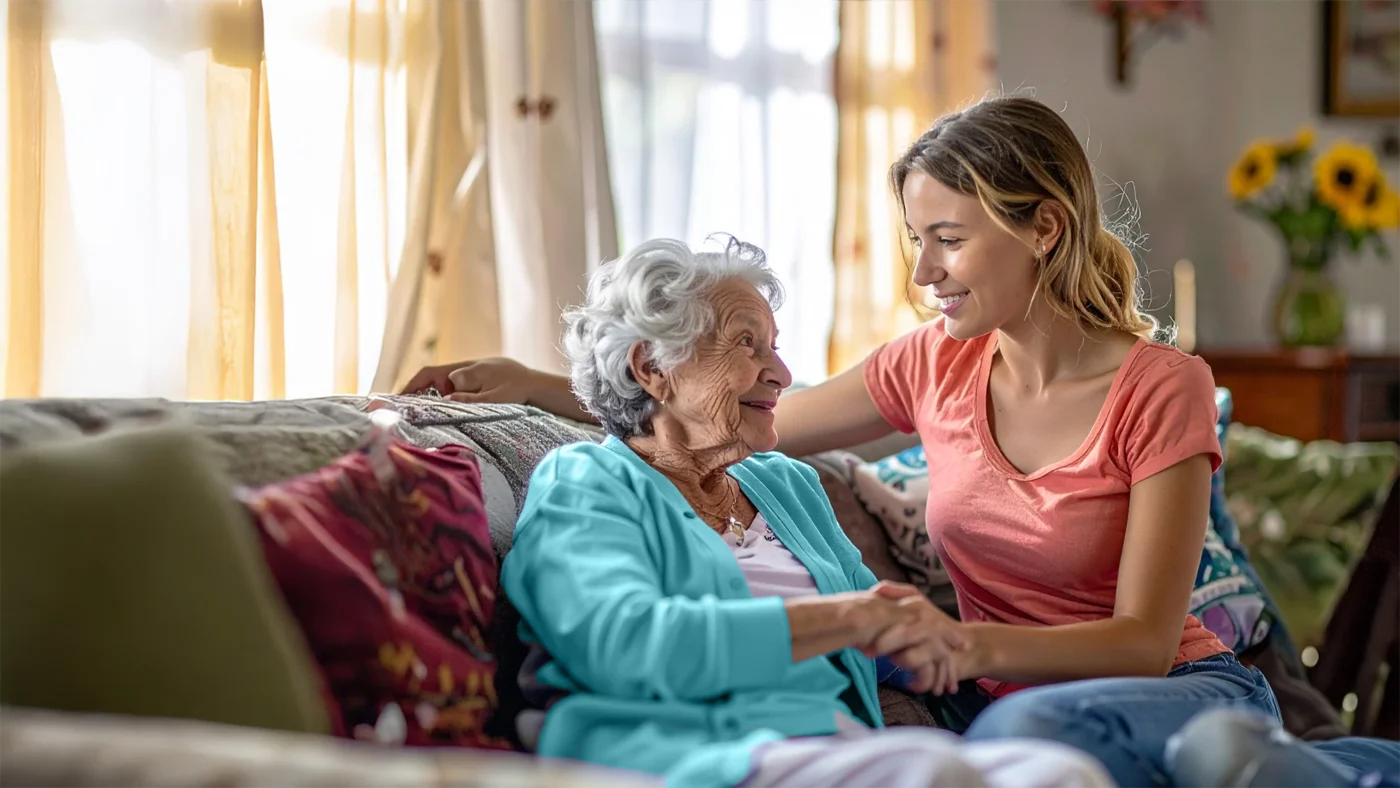
Sometimes caregivers just need a break. A professional caregiver can provide friendly engagement, emotional support, mobility assistance, monitoring, and more.
→ Learn more: Companionship and Conversation
Personal Care Assistance
Help with bathing, grooming, toileting, dressing, and mobility reduces strain and ensures your loved one receives safe, respectful support.
Respite Care
Even a few hours a week can relieve overwhelming stress and give caregivers space to breathe.
Condition-Specific Support
For families navigating Alzheimer’s, dementia, Parkinson’s, or other health challenges, skilled care can dramatically reduce the daily workload.
The goal is simple: to share the care so you can continue being the partner, daughter, son, or spouse your loved one needs—not just the caregiver they rely on.
How to Build a Healthy Self-Care Routine as a Caregiver
You don’t need a spa retreat. You need realistic habits that fit your daily life.
Schedule Short Breaks
Even 15 minutes to step outside, read, or sit quietly makes a difference.
Stay Connected to Others
Isolation increases burnout. Regular social contact helps restore emotional balance.
Ask for Help Before Crisis Hits
Many caregivers wait until they’re overwhelmed. Early support prevents decline.
Set Boundaries With Love
It’s okay to say: “I need a moment,” “I’m tired,” or “I can’t do this alone.”
Bring in Professional Support
A few hours of in-home care each week can create the space you need to rest, work, or simply breathe.
You’re Doing Enough—Now Let Someone Help You Too
Caregiving is an act of love, but no one is meant to carry it all.
If you’ve been feeling overwhelmed, exhausted, or unsure where to turn next, support is available. Our team is here to share the responsibility and give you the relief you deserve.
Let us share the care—book a free consultation.
→ Contact Us