

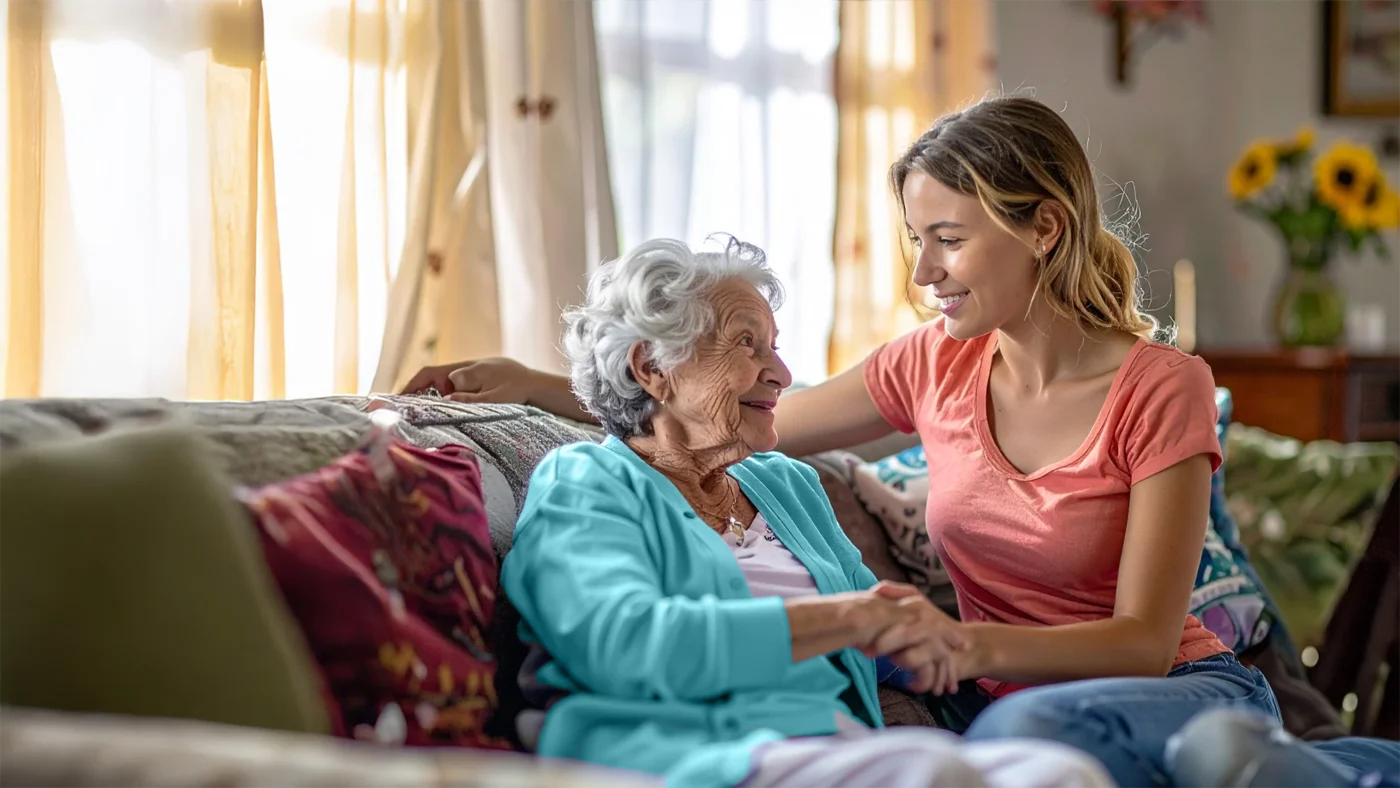

Aging brings many changes, but one of the most overlooked is how deeply it can affect mental and emotional well-being. Loneliness, isolation, and reduced daily stimulation can quietly impact an older adult’s mood, confidence, and overall quality of life.
For many families, companion care becomes a powerful way to support not just physical needs, but mental health and emotional connection — all while allowing seniors to remain at home.
The Mental Health Challenges Seniors Commonly Face
Mental health concerns among older adults are more common than many people realize. Some of the most frequent challenges include:
-
Loneliness and social isolation, especially after retirement or the loss of a spouse
-
Depression or low mood, which may appear as withdrawal or lack of interest
-
Anxiety, often tied to health changes or loss of independence
-
Cognitive decline, which can worsen when stimulation is limited
According to national aging studies, social isolation can be just as harmful to health as smoking or obesity. This makes daily companionship far more than a “nice to have” — it is often essential.
What Is Companion Care?
Companion care focuses on emotional support, social engagement, and daily connection, rather than hands-on medical care.
A companion caregiver may help with:
-
Friendly conversation and emotional reassurance
-
Shared activities like walking, games, or hobbies
-
Meal companionship and light household tasks
-
Transportation to errands, appointments, or social outings
-
Creating daily structure and routine
Unlike clinical services, companion care centers on human connection, which plays a major role in mental and emotional health.
You can learn more about this type of support on our
👉 Companion Care Services page
How Companion Care Improves Mental and Emotional Well-Being
1. Reduces Loneliness Through Consistent Social Interaction
Regular, meaningful conversation helps seniors feel seen, heard, and valued. Having someone to talk to daily can significantly reduce feelings of isolation.
2. Encourages Routine and Purpose
A companion helps create structure in the day — something many seniors lose after retirement or health changes. Simple routines can greatly improve mood and motivation.
3. Supports Cognitive Engagement
Activities like puzzles, reading, games, or conversation help stimulate the mind and slow cognitive decline. Even small interactions can make a noticeable difference.
4. Provides Emotional Reassurance
A trusted caregiver offers stability, comfort, and companionship, especially for seniors experiencing anxiety or emotional changes.
Companion Care vs. Being Alone at Home
Many families assume that as long as a loved one is physically safe, they are “doing fine.” But emotional well-being is just as important.
Without companionship, seniors may:
-
Spend long periods without speaking to anyone
-
Withdraw from activities they once enjoyed
-
Experience worsening mood or motivation
-
Become less engaged with daily life
Companion care helps bridge that gap by bringing connection into the home, rather than removing the senior from familiar surroundings.
When Companion Care May Be the Right Choice
Companion care may be a good fit if your loved one:
-
Lives alone most of the day
-
Seems withdrawn or less engaged
-
Has lost interest in hobbies or social activities
-
Expresses loneliness or boredom
-
Needs encouragement to stay active and connected
If you’re unsure, starting with companion care can be a gentle first step before more intensive services are needed.
Companion Care as Part of a Broader Home Care Plan
For some seniors, companion care works alongside other services such as:
-
Personal care support
-
Respite care for family caregivers
-
24-hour or live-in care
These services can be combined and adjusted over time as needs change.
You can explore additional options on our
👉 In-Home Care Services overview
Supporting Mental Health While Aging at Home
Mental health deserves just as much attention as physical health, especially as loved ones age. Companion care provides meaningful human connection that helps seniors stay engaged, emotionally supported, and confident in their daily lives.
For many families, it’s not about doing more — it’s about making sure their loved one isn’t facing aging alone.